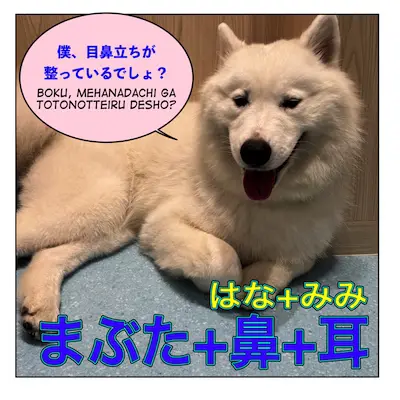
「僕、目鼻立ちが整っているでしょ?」
= ぼく、めはなだちがととのっているでしょ?
= Boku, mehanadachi ga totonotte iru desho?
= I’ve got a pretty good-looking face, don’t I?
Hi everyone! I’m your guest teacher, Shiro!
We’re going to continue learning Japanese body-related expressions and idioms. As I mentioned in my previous lessons, there are so many of them, so we’ll learn them little by little.
In this lesson, I’ll teach you some expressions using:
→まぶた(瞼) = mabuta = eyelids 👁️
→鼻 = はな = hana = nose 👃
→耳 = みみ = mimi = ears 👂
OK, let’s go!
⭐️ まぶた(瞼) = mabuta = eyelids
* まぶたの裏に浮かぶ = まぶたのうらにうかぶ = mabuta no ura ni ukabu = to come to mind vividly
→(Literal meaning) something appears behind one’s eyelids.
Ex. 今でも、祖母の優しい笑顔がまぶたの裏に浮かぶ。
= いまでも、そぼのやさしいえがおがまぶたのうらにうかぶ。
= Ima demo, sobo no yasashii egao ga mabuta no ura ni ukabu.
= Even now, my grandmother’s sweet smile vividly comes to mind.
* まぶたに焼き付く = まぶたにやきつく = mabuta ni yakitsuku = to be etched into one’s memory / to be unforgettable
→(Literal meaning) to be burned onto one’s eyelids
Note: transitive verb 焼き付ける = やきつける = yakitsukeru = to burn into one’s memory / to etch into one’s memory
Ex. 今日は、娘の高校時代最後の試合だ。娘の勇姿を、まぶたに焼き付けておこう。
= きょうは、むすめのこうこうじだいさいごのしあいだ。むすめのゆうしを、まぶたにやきつけておこう。
= Kyou wa, musume no koukou jidai saigo no shiai da. Musume no yuushi wo, mabuta ni yakitsukete okou.
= Today is my daughter’s final high school game. I’ll etch the sight of her into my memory.
⭐️ 鼻 = はな = hana = nose
* 鼻が高い = はながたかい = hana ga takai = to be proud of someone close to you
→(Literal meaning) one’s nose is high
Ex. 息子の描いた絵がコンクールで優勝した。親として鼻が高い。
= むすこのかいたえがコンクールでゆうしょうした。おやとしてはながたかい。
= Musuko no kaita e ga konkuruu de yuushou shita. Oya to shite hana ga takai.
= My son’s painting won first place in a competition. I’m very proud of him as a parent.
Similar expression:
* 鼻高々 = はなたかだか = hana takadaka = very proud / triumphant
Ex. 子供がいい大学に合格して、親は鼻高々だった。
= こどもがいいだいがくにごうかくして、おやははなたかだかだった。
= Kodomo ga ii daigaku ni goukaku shite, oya wa hanatakadaka datta.
= The parents were very proud that their child had been accepted into a good university.
* 鼻につく = はなにつく = hana ni tsuku = annoying
→(Literal meaning) something/someone sticks to one’s nose
Ex. なんか、彼っていつも自慢話ばかりして、鼻につくんだよね。(conversational)
= なんか、かれっていつもじまんばなしばかりして、はなにつくんだよね。
= Nanka, kare tte itsumo jimanbanashi bakari shite, hana ni tsuku n da yo ne.
= Somehow, he’s always bragging, and it really gets on my nerves.
Similar expression:
* 鼻持ちならない = はなもちならない = hanamochi naranai = unbearable/arrogant
→(Literal meaning) unable to hold one’s nose
Ex. あの人の上から目線の態度は鼻持ちならない。
= あのひとのうえからめせんのたいどははなもちならない。
= Ano hito no ue kara mesen no taido wa hanamochi naranai.
= That person’s (his/her) condescending attitude is unbearable.
* 鼻を明かす = はなをあかす = hana wo akasu = to surprise/outsmart someone/get the better of someone
→(Literal meaning) to open someone’s nose
Ex. あのチームはいつも僕たちのことを馬鹿にしているから、今度の試合で勝って鼻を明かしてやりたい。
= あのチームはいつもぼくたちのことをばかにしているから、こんどのしあいでかってはなをあかしてやりたい。
= Ano chiimu wa itsumo bokutachi no koto wo baka ni shite iru kara, kondo no shiai de katte hana wo akashite yaritai.
= That team is always making fun of us, so I want to beat them in our next game and wipe the smirk off their faces.
* 鼻を突き合わせる = はなをつきあわせる = hana wo tsuki awaseru = to be face-to-face / to confront each other (in a confined space)(This expression has a negative nuance)
→(Literal meaning) to put one’s nose against another’s
Ex. 朝から晩までこの小さな店で店長と二人で鼻を突き合わせて働くのは大変だ。
= あさからばんまでこのちいさなみせでてんちょうとふたりではなをつきあわせてはたらくのはたいへんだ。
= Asa kara ban made kono chiisana mise de tenchou to futari de hana wo tsuki awasete hataraku no wa taihen da.
= It’s tough working in this small shop with the manager, being together all day from sunup to sundown.
* 鼻をへし折る = はなをへしおる = hana wo heshioru = to crush someone’s pride
→(Literal meaning) to break someone’s nose.
Note: You can also say 鼻っ柱を折る= はなっぱしらをおる = hanappashira wo oru
→(Literal meaning) to break the bridge of someone’s nose.
Ex. ずっと自分はクラスで一番だと思っていたが、転校生に鼻をへし折られた。
= ずっとじぶんはクラスでいちばんだとおもっていたが、てんこうせいにはなをへしおられた。
= Zutto jibun wa kurasu de ichiban da to omotte ita ga, tenkousei ni hana wo heshi orareta.
= I had always thought I was the best in my class, but a new transfer student knocked me down a peg.
* 鼻が曲がる = はながまがる = hana ga magaru = to stink badly
→(Literal meaning) one’s nose bends.
Ex. 冷蔵庫の中から腐った玉ねぎが出てきた。袋を開けたら、鼻が曲がりそうになった。
= れいぞうこのなかからくさったたまねぎがでてきた。ふくろをあけたら、はながまがりそうになった。
= Reizouko no naka kara kusatta tamanegi ga dete kita. Fukuro wo aketara, hana ga magari sou ni natta.
= I found a rotten onion in the refrigerator. When I opened the bag, it smelled so bad I could hardly stand it.
* 鼻にかける = はなにかける = hana ni kakeru = to boast / to brag about something
→(Literal meaning) to hang something on one’s nose
Ex. 上司はいつもいい大学を出たと鼻にかけていた。
= じょうしはいつもいいだいがくをでたとはなにかけていた。
= Joushi wa itsumo ii daigaku wo deta to hana ni kakete ita.
= My boss was always bragging about having graduated from a prestigious university.
* 鼻にかかる = はなにかかる = to have a nasally
y voice
→(Literal meaning) to hang on one’s nose
Ex. 彼女は鼻にかかった声で話す。
= かのじょははなにかかったこえではなす。
= Kanojo wa hana ni kakatta koe de hanasu.
= She speaks with a nasally voice.
* 鼻であしらう = はなであしらう = hana de ashirau = to treat coldly
→(Literal meaning) to deal with someone using one’s nose
Ex. どうもあの高級店は、常連客以外は鼻であしらっているような気がする。
= どうもあのこうきゅうてんは、じょうれんきゃくいがいははなであしらっているようなきがする。
= Doumo ano koukyuuten wa, jourenkyaku igai wa hana de asshiratte iru you na ki ga suru.
= I feel like that fancy store/restaurant treats anyone who isn’t a regular rather coldly.
* 鼻で笑う = はなでわらう = hana de warau = to sneer
→(Literal meaning) to laugh through one’s nose
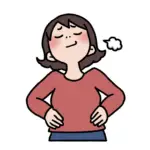
Ex. 医者になりたいと言ったら、友達に鼻で笑われた。
= いしゃになりたいといったら、ともだちにはなでわらわれた。
= Isha ni naritai to ittara, tomodachi ni hana de warawareta.
= When I said I wanted to become a doctor, my friend scoffed at me.
* 鼻息が荒い = はないきがあらい = hanaiki ga arai = overexcited/eager 😤
→(Literal meaning) one’s breathing through one’s nose is rough
Ex. 絶対に狙ったカプセルトイを手に入れると、彼は鼻息を荒くしていた。
= ぜったいにねらったカプセルトイをてにいれると、かれははないきをあらくしていた。
= Zettai ni neratta kapuserutoi wo te ni ireru to, kare wa hanaiki wo araku shite ita.
= He was all fired up, saying he was definitely going to get the capsule toy he wanted.
* 鼻の下を伸ばす/長くする = はなのしたをのばす/ながくする = hana no shita wo nobasu / nagaku suru
= to be smitten with someone (Often used to describe a man who is very taken with a woman he likes.)
→(Literal meaning) to stretch the area under your nose
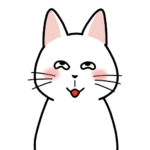
Ex. 弟は彼女の前では、いつも鼻の下を伸ばしている。
= おとうとはかのじょのまえでは、いつもはなのしたをのばしている。
= Otouto wa kanojo no mae de wa, itsumo hana no shita wo nobashite iru.
= My little brother is always completely smitten when he’s around his girlfriend.
⭐️目 & 鼻 = め & はな = me & hana = eye(s) & nose
* 目鼻立ちが整っている /目鼻立ちがいい
= めはなだちがととのっている /めはなだちがいい
= mehanadachi ga totonotte iru / mehanadachi ga ii
= to have well-defined / well-balanced facial features
→(Literal meaning) one’s eyes and nose are well-formed
Ex. 父は、母が若い頃から目鼻立ちが整っていて、きれいだったと褒めていた。
= ちちは、ははがわかいころからめはなだちがととのっていて、きれいだったとほめていた。
= Chichi wa haha ga wakai koro kara mehanadachi ga totonotte ite, kirei datta to homete ita.
= My father praised my mother, saying that she had beautiful, well-defined features when she was young.
🐶 From the main picture at the top:
「僕、目鼻立ちが整っているでしょ?」
= ぼく、めはなだちがととのっているでしょ?
= Boku, mehanadachi ga totonotte iru desho?
= I’ve got a pretty good-looking face, don’t I?
* 目と鼻の先 = めとはなのさき = me to hana no saki = very close by
→(Literal meaning) the space between one’s eyes and nose
Ex. 私の家から病院までは目と鼻の先だ。
= わたしのいえからびょういんまではめとはなのさきだ。
= Watashi no ie kara byouin made wa me to hana no saki da.
= The hospital is just a stone’s throw from my house.
⭐️耳 = みみ = mimi = ear(s)
* 耳から離れない = みみからはなれない = mimi kara hanarenai = can’t get something out of one’s head / keep hearing something in one’s head / to have something stuck in one’s head / an earworm
→(Literal meaning) something won’t leave one’s ears
Ex. あの店で繰り返しかかる曲が耳から離れない。
= あのみせでくりかえしながれるきょくがみみからはなれない。
= Ano mise de kurikaeshi nagareru kyoku ga mimi kara hanarenai.
= The song that keeps playing at that store is stuck in my head.
* 耳にする = みみにする = mimi ni suru = to hear (about / of something) / learn about
→(Literal meaning) to put something to one’s ears
Ex. 来年からカナダに留学するという噂を耳にしたんだけど、本当?(Casual)
= らいねんからカナダにりゅうがくするといううわさをみみにしたんだけど、ほんとう?
= Rainen kara Kanada ni ryuugaku suru to iu uwasa wo mimi ni shitandakedo, hontou?
= I heard a rumor that you’re going to study abroad in Canada next year. Is that true?
* 耳に挟む = みみにはさむ = mimi ni hasamu0 = to hear about something by chance
→(Literal meaning) to catch something between one’s ears.
or
* 小耳に挟む = こみみにはさむ =komimi ni hasamu = to catch a bit of information unintentionally
→(Literal meaning) to catch something with a little ear
Ex. ちょっと小耳に挟んだんですが、A社が倒産するかもしれないらしいですよ。
= ちょっとこみみにはさんだんですが、Aしゃがとうさんするかもしれないらしいですよ。
= Chotto komimi ni hasandan desu ga, A-sha ga tousan suru kamo shirenai rashii desu yo.
= I happened to hear that Company A might be going bankrupt.
* 耳を疑う = みみをうたがう = mimi wo utagau = can’t believe one’s ears
→(Literal meaning) to doubt one’s ears
Ex. あの二人が離婚したと聞いたときは、一瞬、耳を疑った。
= あのふたりがりこんしたときいたときは、いっしゅん、みみをうたがった。
= Ano futari ga rikon shita to kiita toki wa, isshun, mimi wo utagatta.
= When I heard that they (those two) had gotten divorced, I couldn’t believe my ears for a moment.
* 耳が痛い = みみがいたい = mimi ga itai = hard to hear because it’s true
→(Literal meaning) one’s ears hurt
Ex. マギー先生に「日本語は毎日勉強したほうがいい」と言われて、耳が痛かった。
= マギーせんせいに「にほんごはまいにちべんきょうしたほうがいい」といわれて、みみがいたかった。
= Maggie sensei ni “Nihongo wa mainichi benkyou shita hou ga ii” to iwarete, mimi ga itakatta.
= When my teacher told me I should study Japanese every day, it hit a little too close to home. (I knew she was right, but it was hard to hear.)
* 耳が早い = みみがはやい = mimi ga hayai = quick to hear gossip/news
→(Literal meaning) one’s ears are fast.
A: 週末、九州に旅行に行くって本当?
= しゅうまつ、きゅうしゅうにりょこうにいくってほんとう?
= Shuumatsu, Kyuushuu ni ryokou ni ikutte hontou?
= I heard you’re going to Kyushu this weekend, is that true?
B: 耳が早いね。そうなんだ、福岡までちょっと行ってくるよ。
= みみがはやいね。そうなんだ、ふくおかまでちょっといってくるよ。
= Mimi ga hayai ne. Sou nanda, Fukuoka made chotto itte kuru yo.
= You heard about that already? Yeah, I’m going to Fukuoka for a bit.
* 耳が遠い = みみがとおい = mimi ga tooi = hard of hearing
→(Literal meaning) one’s ears are far away
Ex. 子供:お母さん、お小遣い値上げして。
= こども:おかあさん、おこづかいねあげして。
= Kodomo: Okaasan, okozukai neage shite.
= Child: Mom, can you increase my allowance?
母:えっ?何?最近、耳が遠くなってよく聞こえないの。
= はは:えっ?なに?さいきん、みみがとおくなってよくきこえないの。
= Haha: Eh? Nani? Saikin, mimi ga tooku natte yoku kikoenai no.
= Mom: Huh? What? My hearing has gotten worse lately. I can’t hear you very well.
* 耳障り = みみざわり = miomizawari = unpleasant to hear
→(Literal meaning) something that feels unpleasant to one’s ears
Ex. バスの中で隣の人のヘッドフォンから音が漏れていて、耳障りだった。
= バスのなかでとなりのひとのヘッドフォンからおとがもれていて、みみざわりだった。
= Basu no naka de tonari no hito no heddofon kara oto ga morete ite, mimizawari datta.
= The sound leaking from the headphones of the person next to me on the bus was annoying.
* 耳慣れない = みみなれない = mimi narenai = unfamiliar-sounding
→(Literal meaning) something one’s ears are not accustomed to
Ex. 耳慣れない言葉ですが、”木で鼻をくくる”はどういう意味ですか?
= みみなれないことばですが、”きではなをくくる”はどういういみですか?
= Miminarenai kotoba desu ga, “ki de hana wo kukuru” wa dou iu imi desu ka?
= I’m not familiar with the expression “木で鼻をくくる (= きではなをくくる ” What does it mean?
Note: 木で鼻をくくる
= きではなをくくる
= ki de hana wo kukuru
= to respond in a cold, curt, or dismissive manner
(Literal meaning) to tie up one’s nose with a piece of wood.
* 耳を傾ける = みみをかたむける = mimi wo katamukeru = to listen carefully
→(Literal meaning) to tilt one’s ears
Ex. 子供達は先生の話に一生懸命耳を傾けた。
= こどもたちはせんせいのはなしにいっしょうけんめいみみをかたむけた。
= Kodomo-tachi wa sensei no hanashi ni isshoukenmei mimi wo katamuketa.
= The children listened attentively to their teacher.
* 耳を澄ます = みみをすます = mimi wo sumasu = to listen closely
→(Literal meaning) to sharpen one’s ears
Ex. 耳を澄ませて、よく聞いて。うぐいすが鳴いているよ。
= みみをすませて、よくきいて。うぐいすがないているよ。
= Mimi wo sumasete, yoku kiite. Uguisu ga naite iru yo.
= Listen carefully. You can hear a bush warbler singing.
Note: There’s a Studio Ghibli movie titled 「耳をすませば = みみをすませば= mimi wo sumaseba 」 (Whisper of the Heart). It means “If you listen carefully…”
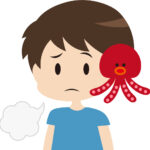
* 耳にたこができる = みみにたこができる = mimi ni tako ga dekiru
= hear something over and over to the point that you are sick of hearing it
→(Literal meaning) to get a callus on one’s ear
Ex. その話は耳にたこができるほど聞いた。
= そのはなしはみみにたこができるほどきいた。
= Sono hanashi wa mimi ni tako ga dekiru hodo kiita.
= I’ve heard that story so many times (I’m sick of hearing it).
Note: たこ ( = tako) in this idiom means “callus” but since it’s pronounced the same as 蛸 = たこ (octopus), you might see illustrations with an octopus added as a fun
visual pun.
* 耳を揃える = みみをそろえる = mimi wo soroeru = to pay in full
→(Literal meaning) to make all the “ears” even
Note: 耳 = みみ = mimi =ears refers to the edge of a bill, so 耳を揃える = みみをそろえる = mimi wo soroeru literally means “to make the edges of the bills even.
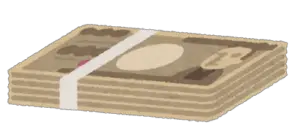
Ex. 借りたお金は、来月末に耳を揃えてお返しします。
= かりたおかねは、らいげつまつにみみをそろえておかえしします。
= Karita okane wa, raigetsumatsu ni mimi wo soroete okaeshi shimasu.
= I’ll pay back the money I borrowed in full by the end of next month.
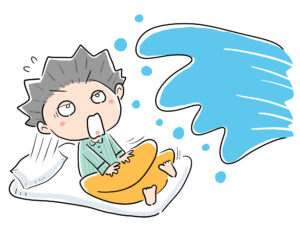
* 寝耳に水 = ねみみにみず = nemimi ni mizu = a bolt from the blue (when you hear unexpected and shocking news.)
→(Literal meaning) water poured into one’s ear while sleeping
Ex. 佐々木さんが会社を辞めたなんて、寝耳に水だ。
= ささきさんがかいしゃをやめたなんて、ねみみにみずだ。
= Sasaki-san ga kaisha wo yameta nante, nemimi ni mizu da.
= It came as a complete shock to hear that Sasaki had quit the company.
* 馬の耳に念仏 = うまのみみにねんぶつ = uma no mimi ni nenbutsu = preaching to deaf ears
→(Literal meaning) chanting Buddhist prayers into a horse’s ears
Ex. 彼に何を言っても無駄だよ。馬の耳に念仏で、人の話は全く聞かないから。
= かれになにをいってもむだだよ。うまのみみにねんぶつで、ひとのはなしはまったくきかないから。
= Kare ni nani wo itte mo muda da yo. Uma no mimi ni nenbutsu de, hito no hanashi wa mattaku kikanai kara.
= There’s no point telling him anything. He never listens to what people say.
***
 マギー先生より = マギーせんせいより = Maggie Sensei yori = From Maggie Sensei
シロ先生、ありがとう! = シロせんせい、ありがとう!= Shiro-Sensei, arigatou! = Thank you, Shiro-Sensei!
はい、もちろん、シロ先生は、目鼻立ちが整ったイケメンさんですよ。
= はい、もちろん、シロせんせいは、めはなだちがととのったイケメンさんですよ。
= Hai, mochiron, Shiro sensei wa, mehanadachi ga totonotta ikemen-san desu yo.
= Yes, of course, Shiro! You’re a handsome guy with great facial features.
****
My Patrons can access the audio file
Audio Files for this lesson →Click here
PDF file without ads (One with romaji & One without romaji) →Click here
I appreciate your support! サポートありがとう! !
My supporters can access tons of audio files, PDF files, and special lessons on my Patreon page.
❤️ありがとう x 2: Mini lessons, PDF files with audio for all the lessons here from 2018
❤️ありがとう x 5 In addition to the previous benefit + Daily Japanese
Check the index of Daily Japanese Series →Index
❤️ありがとう x 10 In addition to the previous benefit + PDF file of all my Twitter lessons for a month (average 10 ~ 18 pages) with an audio file. Please check the details here
One-time support ↓ ありがとう!