
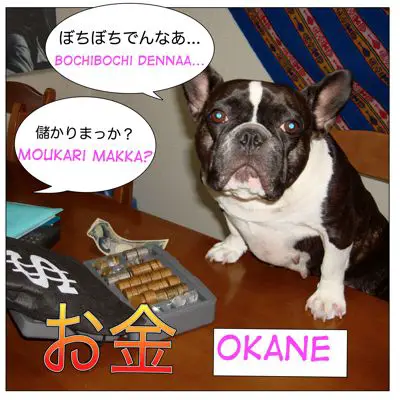
😀「儲かりまっか?」
= Moukarimakka?
= “How’s business?”
🐶「ぼちぼちでんなあ…」
=Bochibochi dennaa..
= “Just getting by..”
Today we will start with 大阪弁 ( = Osaka-ben) Osaka dialect!
Personally I love the sound of Osaka-ben. It sounds fun and friendly! It sounds very familiar because we hear it all the time on the お笑い番組 ( = Owarai terebi bangumi) TV comedy shows.
→Check my previous lesson 笑う ( = warau) to laugh
The dialogue in the picture is a typical phrase in a business scene in Osaka. Everybody in Japan knows it even if they are not from Osaka so as まいど(毎度)! ( = maido). (It literally means “every time” but it means “Hi!“) We sometimes joke around using the phrases.
「まいど!どうでっか?もうかりまっか?」
= Maido! Doudekka? Moukari makka?
⬇️
If I need to “translate” into 標準語 ( = hyoujungo) (standard Japanese) it would be like this :
「今日は!(or どうも!)調子はどうですか?商売の方はうまくいっていますか?」
= Konnichiwa! (or Doumo!) Choushi wa doudesuka? Shoubai no hou wa umaku itte imasuka?
= “Hi, how is it going? How’s business?”
:u:
•「儲かりまっか?」
= Moukarimakka?
= “How’s business?”
儲かる ( = moukaru) means to make money, to make a profit
Ex. ギャンブルで儲かる
= ganburu de moukaru
= to make lots of money gambling
~まっか?( = makka?)
Osaka dialect = ~ますか? ( = masuka?)
So the direct translation will be “Are you making lots of money?” “How is your money situation?”
→How’s business?
It is originally from a common greeting of 浪花の商人 ( = Naniwa no akindo) Osaka area’s merchants Osaka people has a reputation of being business-oriented and tight with money like bargaining here and there. I wrote in my previous lesson of 労る ( = itawaru) that Japanese people tend avoid to be too direct. So I think it is interesting that they use this straight forward question naturally.
You are supposed to answer to this question if the business is going relatively well,
•「ぼちぼちでんなあ..」
= Bochibochi dennaa?
= “Just getting by.” “So-so!”
= まあまあです。
= Maa maa desu.
or
まあなんとかやっています。
= Maa nantoka yatte imasu.
⬇️
ぼちぼち ( = bochibochi) little by little, slowly, soon
ぼちぼち帰ります。
= Bochibochi kaerimasu.
= I will get going. (Not in a hurry way.)
ぼちぼち勉強します。
= Bochibochi benkyou shimasu.
= I will study little by little.
でんなあ ( = dennaa) Osaka dialect ← ですねえ ( = desunee)
If you are not making money or not doing well, you say :
「あきまへんわ!」 Osaka dialect
= Akimahen wa
Average Japanese
= だめです。( = Damedesu) /上手くいっていません。( = Umaku itte imasen.)
= Not at all! Not doing good..
OK! Enough for Osaka dialects.
Today’s lesson is about MONEY!!
金 かね ( = kane) /きん ( = kin)
かね( = kane) for money and きん ( = kin) refers gold
(Ex. 金のネックレス ( = kin no nekkuresu) gold neckless)
We usually say お金 ( = okane) for money. If you say 金 ( = kane), it sounds blunt and not sophisticated.
1) 金が欲しい ( = Kane ga hoshii)
2) お金が欲しい ( = Okane ga hoshii) I want money.
→2) sounds more polite.
🔸 <Money related expressions!>
•お金がかかる ( = okane ga kakkaru) to cost money
Ex. 子供の教育にお金がかかる。
= Kodomo no kyouiku ni okane ga kakaru.
= A child’s education costs a lot of money.
Ex. あの家にはあり余る程、お金がある。
= Ano ie ni wa ariamaru hodo okanega aru.
= That family is loaded.
 あり余る ( = ariamaru)=more than abundant, roll in
Ex. 彼の家は金持ち/豊か/裕福だから何でも買える。
= Kare no ie wa kanemochi/yutaka/yuufuku dakara nan demo kaeru.
= His family is rich so that he can afford anything.
• 持つ ( = motsu) to hold, to have
Ex. うちの子供はお金を持たせるとすぐに使ってしまう。
= Uchi no kodomo wa okane wo motaseru to suguni tsukatte shimau.
= As soon as I give my kid money, he spends it right away.
• お金がない ( = okane ga nai) not to have money
Ex. 今月は全くお金がないです。
= Kongetsu wa mattaku okane ga nai desu.
= 今月は全くお金がありません。
= Kongetsu wa mattaku okane ga arimasen.
= I don’t have money at all this month.
• お金が足りない ( = okane ga tarinai) short of money
Ex. ちょっとお金が足りないから貸してくれる?
= Chotto okane ga tarinai kara kashite kureru?
= I am a little short (on money). Can you lend me some?
•お金に困る ( = okane ni komaru) be pinched for money
•お金を使う ( = okane wo tsukau) to spend money
•現金 ( = genkin) cash
•小銭 ( = kozeni) small change
Ex. (小銭に)崩して下さい。
= kozeni ni kuzushite kudasai.
= Could you break this?
•硬貨 ( = kouka) coin
•コイン ( = koin) coin
•5(五)円玉 ( = goen dama) 5 yen coin / 10(十)円玉 ( = juuen dama) 10 yen coin / 50(五十)円玉 ( = gojuuen dama) 50 yen coin /100(百)円玉 ( = hyakuen dama) 100 yen coin / 500(五百)円玉 ( = gohyakuen dama) 500 yen coin
Also you can call the coins as 〜円硬貨 ( = en kouka) or コイン ( = koin)
•(お)札 ( = (o)satsu) bill
千円札 ( = sen en satsu) 1000 yen bill /1万円札 ( = ichiman en satsu) 10,000 yen bill
•札束 ( = satsutaba) a wad of bills
•ピン札 ( = pinsatsu) crisp banknotes, a brand new bill without wrinkles
(We have to use ピン札 ( = pinnsatu) to use as a gift money for happy occasions.)
• はした金 ( = hashistagane) chicken feed
• 大金 ( = taikin) lots of money

Ex. 株で儲けて大金を手にする。
= Kabu de moukete taikin wo te ni suru.
= To make lots of money in the stock market.
•資金 ( = shikin) funds
Ex. その政治家は資金集めで苦労している。
= Sono seijika wa shikin atsume de kurou shiteiru.
= The politician has been suffering from fundraising.
•お金を貯める ( = okane wo tameru) to save money
あの人は相当 (or しこたま*)お金を貯めているという噂だ。
= Ano hito wa soutou (or shikotama) okane wo tamete iru toiu uwasa da.
=They say he has hoarded up money.
(Note: しこたま= shikotama = casual/slightly negative)
•貯金 ( = chokin) savings
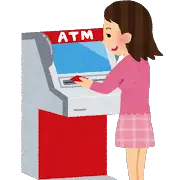
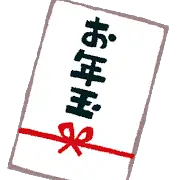

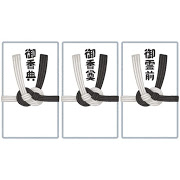
It is considered to be very rude to open up gift money in front of the person who has just given it to you. As I mentioned before it is also impolite to unwrap a gift that someone brings you as soon as you receive it in a formal situation. So if you receive it, just say thank you with appreciation and put it aside carefully.
 マギー先生より = Maggie-sensei yori = From Maggie-sensei
日本は銀行の利子がとっても低いの。
= Nihon no ginkou wa rishi ga tottemo hikuino.
= The bank interest rates are very low in Japan.
誰か私の大切な100円を400%の利率で1年預かってくれない?
= Dare ka watashi no taisetu hyakuen wo yonhyaku paasento no riritsu de ichinen azukatte kurenai ?
=Anybody wants to keep my precious 100 yen(=$1.00) for a year at 400% interest?
***
Will you be my Patron?
I appreciate your support! サポートありがとう!
19 Comments
Hi Maggie Sensei, I have a minor question. I learned that お金を下ろす also means to withdraw money. Is there any difference or nuance between this and the other ones (引き出す, etc.)
Hi Thomas
You are right. お金を下ろす and 引き出す both mean “to withdraw money,” but 下ろす is slightly more casual and more commonly used in daily conversation.
You usually see お引き出し (polite form of 引き出し) in ATM instructions.
Hi Thomas
You are right. お金を下ろす and 引き出す both mean “to withdraw money,” but 下ろす is slightly more casual and more commonly used in daily conversation.
You usually see お引き出し・お引出し (polite form of 引き出し/引出し) in ATM instructions.
If you are still around to answer questions…
How would you say “I think I am all paid up.” as in “I don’t think I owe any more money.” Is there a Japanese equivalent of “paid up” or “caught up”? Also, I assume (like in English), it would be different for a bank/business to tell you, “You are paid in full.”
Thanks in advance, I am having a hard time looking this one up.
Hello Christopher
Sorry for the late reply. I was on vacation.
paid up in Japanese is 支払いが済む= しはらいがすむ= shiharai ga sumu / noun form 支払済 しはらいずみ shiharaizumi
I think I am all paid up = もう支払いは済んでいると思います。= Mou shiharai wa sunde iru to omoimasu.
You are paid in full. 全額支払っています。( zengaku shiharatte imasu.) /全額支払い済みです。(Zengaku shiharaizumi desu.)
人々は忙しくなって、それは大丈夫ですです。
この素晴らしい返事をありがとうございます。
どういたしまして💕
@Maggi-sensei:
How do I say “Money can buy anything, even happiness” in Japanese?
Is there any idiom that reflects this kind of sentiment/nuance in Japanese?
@John
Hi John,
You can say “愛があればなんでも買える。幸せさえも。”
It is not an idiom but the the common phrase we have has an opposite idea.
愛でお金は買えない。= You can’t buy love with money.
Suppose I want to say please keep balance in your account how should I say in Japanese in a polite form
@Apeksha
It changes depending on the context but
口座の収支バランスを保ってください。
Maggie, thanks a lot for your lessons.
I have a question. Are 利子, 利息 and 金利 synonyms?
@Jane
Hi Jane!
They are all “interest” in English and some Japanese don’t distinguish them but to be more specific,
利子 : interest for your 預金 = bank saving、
利息 : interest for 借入金 貸付金、debt, loan、
金利 : interest rate for your loan, or saving
hehe sensei you should teach that too! sensei is so wise ne :)
what all countries have you visited? I love travelling!!!
@Aki
I love traveling,too!
I have been to Holland, Germany, UK, France, Spain, Portugal, Austria, Switzerland, Italy, the US, Purto Rico, Australia, Hong Kong.
There are so many countries I have never visited in the world…but I tend to go to the same place again and again.
wow, that’s awesome!!! out of all those any favorites? or favorite new food you got to try or something?^^
you know sensei I am not jealous that you’ve been to any of those… I am just jealous that you live in Japan !! いいな。。。>。< (笑)
先生は亀くんの近いね~!うふ^_~
@Aki
Haha, I knew you would say that! You would like to go to a country where 亀 lives!
My favorite place is Hawaii no matter what!
so 小銭 includes 5 yen 20 yen 50 yen coins??
I hate small change -.- like pennys here! they are absolutely worthless and you will probably lose them…. and yeah I know we have a saying “a penny saved is a penny earned” but still…
Maggie sensei, what do you you think of small change? めんどくさいな? :)
@Aki
小銭 includes 5 yen 20 yen 50 yen or even 100 yen coins.
Yes! I agree! It’s めんどくさい!We have a saying, 一円を笑うものは一円に泣く,too.
Actually I am very good at getting rid of all the coins when I go traveling abroad, though… It is like a game for me.