
Hi everyone!
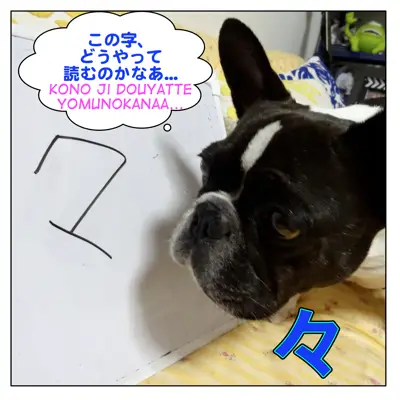
Today, I will teach you a Japanese iteration mark. You have probably seen it many times when you read Japanese writings.
It’s…
⭐️ 々
It is not considered as kanji so we can’t read this letter alone.
Not many Japanese people know what to call this mark but it has several names, such as
*踊り字 = おどり字 ( = odoriji ) the literal meaning is “dancing letter”
*漢字返し= かんじがえし = kanjigaesh
*漢字送り= かんじおくり = kanjiokuri
*じおくり= jiokuri
*どうのじてん = dounojiten
*重ね字 = かさねじ = kasaneji
*繰り返し記号 = くりかえしきごう = kurikaeshi kigou
*ノマ(点) = ノマ(てん) = noma(ten)
etc.
⭐️ How to use it :
When you repeat the same kanji twice, you can change the second one to 々.
It can be applied to both 訓読み = kunyomi = kun-reading and 音読み = onyomi = on-reading.
For example,
🔹 色色 = いろいろ= iroiro = various, a lot
You see the same two kanji letters.
So let’s switch the second kanji with 々
⬇️
色々 = いろいろ= iroiro
*********
🔹 When to use it :
One of the functions of this mark is to make a plural form of a noun.
*山 = やま = yama = a mountain
⬇️
*山々 = やまやま = yamayama = mountains
****
*我 = われ = ware = (old fashioned) “I“
⬇️
*我々 = われわれ = wareware = “we“
or to stress the meaning of the kanji.
*少 = しょう=shou = small amount, a little
⬇️
*少々 = しょうしょう =shoushou = (just) a little
You can make nouns, adjectives, adverbs, etc. with 々 with specific kanji letters.
Here are the examples.
*昔 + 昔 → 昔昔 = むかしむかし= mukashi mukashi
 昔々= むかしむかし= mukashi mukashi = a long long time ago, once upon a time
Ex. 昔々ある所におじいさんとおばあさんが住んでいました。
= Mukashi mukashi aru tokoro ni ojiisan to obaasan ga sunde imashita.
= Once upon a time, there lived an old man and an old woman.
Note: This is a typical way to start traditional Japanese folktales.
*荒 + 荒 → 荒々 = あらあら = araara
荒々しい= あらあらしい = araarashii = rough, brutal, fierce
Ex. 荒々しい言葉
= あらあらしいことば
= araarashii kotoba
= harsh/rough words
*蝶 + 蝶
(more colloquial or for children) 蝶々 = ちょうちょう= chouchou = butterfly
*徐 + 徐 → 徐々 = じょじょ=jojo
徐々に = じょじょに = jojo ni = gradually, little by little, in small steps
Ex. 痛みは徐々になくなってくるでしょう。
= Itami wa jojo ni nakutatte kuru deshou.
= The pain will disappear gradually.
*図 + 図 → 図々 = ずうずう = zuuzuu
図々しい= ずうずうしい = zuuzuushii = to have a lot of nerve
Ex. 図々しいお願いですが…
= Zuuzuushi onegai desuga…
= I know this is such a big favor to ask you but…
*着 + 着 → 着々=ちゃくちゃく= chakuchaku
着々と = ちゃくちゃくと= chakuchaku to = steadily
Ex. 工事は着々と進んでいる。
= Kouji wa chakuchaku to susunde iru.
= The construction has been progressing steadily
*弱 + 弱 → 弱々= よわよわ = yowayowa
弱々しい =よわよわしい = yowayowashii = weak, to look week
Ex. 彼は 病気で弱々しくみえた。
= Kare wa byouki de yowayowashiku mieta.
= He looked weak because he was sick.
*長 + 長 → 長々 = ながなが = naganaga
長々と = ながながと= naganagato = for a long time
Ex. 長々とお話してすみません。
= Naganaga to ohanashi shite suminasen.
= Sorry that I talked too much / for too long.
*若 + 若 → 若々 = wakawaka
若々しい= wakawakashii = youthful, looks young
Ex. マギーのお母さんはすごく若々しいね。
= Maggie no okaasan wa wakawakashiine.
= Your Mom looks so young, Maggie
*女 + 女= めめ= meme
女々しい = めめしい = memeshii = effeminate, sissy, wimp (negative/ It is usually used for a wimpy man)
Ex. 女々しいことを言わないで。(female talk)
= Memeshii koto wo iwanaide.
= Don’t be sissy!
*翌+翌 = よくよく = yokuyoku = the next x 2
翌々日 = よくよくじつ = yokuyokujitsu= two days later
Note : 翌日 = よくじつ = yokujitsu = the next day
翌々日 = よくよくじつ= yokuyokujitsu = the next next day
*******
Although you see the same kanji, you may have to pronounce the second one differently, for example,
★く ( = ku) →ぐ ( = gu)
★さ ( = sa) →ざ ( = za)
★は (= ha) →ば ( = ba)
★ひ ( = hi) →び ( = bi)
*時 + 時 → 時々= ときどき = tokidoki = sometimes, occasionally
Ex. 時々、無性にたこ焼きが食べたくなる。
= Tokidoki mushou ni takoyaki ga tabetakunaru.
= Once in a while I have an urge for “takoyaki” (octopus balls).
*久 + 久 = 久々 = ひさびさ = hisabisa = for the first time in a long time
Ex. 久々に実家に帰った。
= Hisabisa ni jikka ni kaetta.
= I went home for the first time in a long time.
(Note: 実家=jikka is one’s home but usually it refers to the house you were raised or your parents’ home.)
*人 + 人 → 人々 = ひとびと= hitobito = people
Ex. 多くの人々が、「半沢直樹」の最終回を観た。
= Ooku no hitobito ga hanzawa Naoki no saishuukai wo mita.
= Many people watched the final episode of (the TV show) “Hanzawa Naoki”
*国 + 国 → くにぐに=kuniguni = countries
*黒 + 黒 → 黒々 = くろぐろ= kuroguro = black
Ex. 祖母は80歳だがまだ髪が黒々としている。
= Sobo wa hachijussai daga mada kami ga kuroguro to shiteiru.
= My grandmother is 80 years old but her hair is still very black.
*様 + 様 → 様々= さまざま= samazama = various, many kinds, variety of, a broad selection of, different
Ex. 様々な種類のデザート
= samazamana shurui no dezaato
= a wide variety of desserts
*散 + 散 → 散々= さんざん= sanzan = bad, horrible, disastrous
Ex. テストの結果は散々だった。
= Tesuto no kekka wa sanzan datta.
= The test results were disastrous.
*寒 + 寒 → 寒々= さむざむ = samuzamu = (looks) cold, bleak, wintry, heartless
Ex.寒々とした天気
= Samuzamu to shita tenki
= Wintry weather
*早 + 早 = はやばや = hayabaya = very early
Ex. 彼は早々と家を出た。
= Kare wa hayabaya to ie wo deta.
= He left home early.
*日 + 日 →日々= ひび = hibi = every day, daily
Note : The date in Japanese is 日付 ( = hizuke) or 日にち = hinichi
If we write 日にち ( = hinichi) all in kanji it will be 日日 but it will be hard to read so we usually write the second kanji in hiragana.
There are names of persons or places using the mark.
*佐々木= ささき = Sasaki
*野々村= ののむら = Nonomura
*代々木公園 = よよぎこうえん = Yoyogi Kouen ( = Yoyogi Park)
 マギー先生より = Maggie sensei yori = From Maggie sensei
時々、興味津々で何歳か聞いてくる人がいます。
= Tokidoki kyoumishinshin de nansai ka kiite kuru hito ga imasu.
= Once in a while some people ask my age being very curious.
レディーだからあまり年齢や体重のことは軽々しく言いたくありませんが、
= Redii dakara amari nennrei ya taijuu no koto wa karugarushiku iitaku arimasen ga
= Since I am a lady, I don’t want to speak lightly about things like my age or weight but
今日は正々堂々と言います。
= Kyou wa seisei doudou to iimasu.
= I will be honest and openly tell you today
この9月で8歳になりました。
= Kono kugatsu de hassai ni narimashita.
= I became 8 years old this September.
いつまでも若々しいでしょ。
= Itsumade mo wakawaka shii desho.
= I’m still young, right?
空々しいお世辞は言わなくていいですよ。
= Sorazorashii oseji wa iwanakute iidesuyo.
= You don’t have to give me hollow compliments.
でも体重は内緒ね!丸々としているけどそんなに太くないよ。
Demo taijuu wa naisho ne! Marumaru to shiteiru kedo sonnani futoku naiyo.
=I’m not going to tell you how much I weigh though. I am chubby but I am not that fat.
***
Will you be my Patron?
I appreciate your support! サポートありがとう!
9 Comments
Hi,
this: “It is not considered as kanji so we can’t read this letter alone. ” preoccupies me cause i’ve learned to read it のま and tangorin mentions it too.
Are you positive?
Great site btw.
ありがと
@Jo
Hello jo,
のま(ノマ) is just a name of this repetition mark.
Because it looks like ノ+マ
I checked Tangorin but I don’t see the example of reading 々 as のま.
They introduce the name of the mark as,
くりかえしkurikaeshi · おなじonaji · おなじくonajiku · のまnoma · どうのじてんdounojiten
Thank you for visiting this site!
Hello!
I have a small question and is about ta koto ga aru and ru koto ga aru tatoeba: tabeta koto ga aru or taberu koto ga aru. I know the meaning of ta koto ga aru and ru koto ga aru . My question is about the verb can i use passive or potential form of verb tatoeba: ikenai koto aru toka ijimerareta koto ga aru. I can’t find anything about it in my book’s so please can you anwser to my question? ^_^
@PukiPuki
Hello PukiPuki,
Yes, you can use passive or potential form with 〜たことががある and 〜ることがある
★Potential form :
Ex. チケットを持っていてもコンサート会場に入れないことがあった。
Even though I had a ticket, there was a time when I couldn’t get in the concert hall.
Ex. チケットを持っていてもコンサート会場に入れないことがあります。
It is possible not to be able get in the concert hall even if you have a ticket.
★Passive form :
If someone has stepped on your feet with her high heels before and you are talking about that particular experience, you say
Ex. ハイヒールで足を踏まれたことがある。
But if you are talking about the possibility you say
Ex. ハイヒールで足を踏まれることがある。
Thank you so much! I was wondering about it and now i know the anwser:) Thank you~!!! LOVE from Poland :)
@PukiPuki
Nie ma za co! (→合ってる?)
Sugoi jan!!! atteru atteru! :)
Oh my, thank you for clarifying this. I have always wanted to know what this little character meant! Didn’t know how to type it as it’s not part of the syllabaries.
@Camemberu
Oh good!! Now you know what it is! :)
How to type this letter : If you type どう or おなじ, it usually comes out among other kanji.